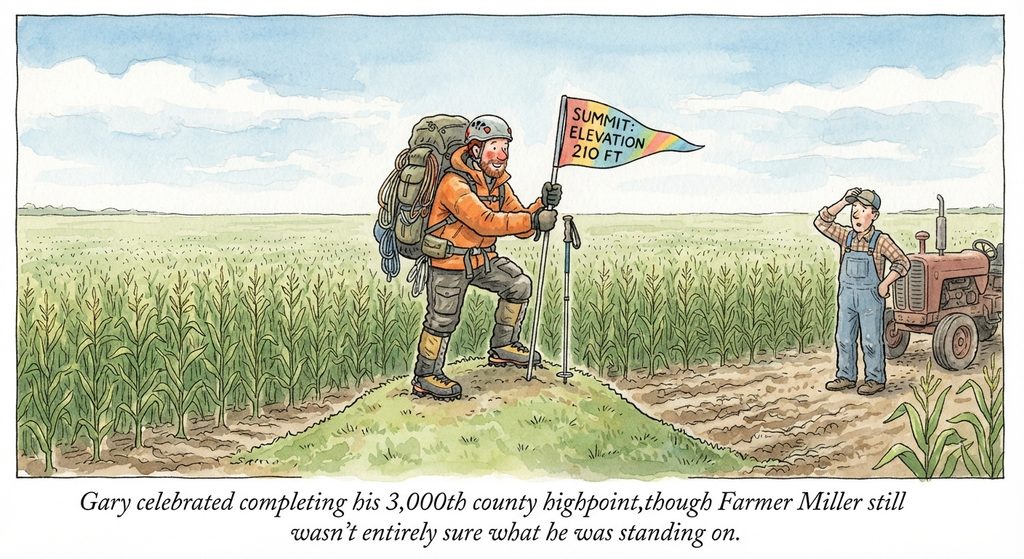
County highpointing—the pursuit of reaching the highest natural point in every U.S. county (totaling 3,143 counties)—grew out of the broader tradition of U.S. state highpointing. [1, 2, 3]
(more…)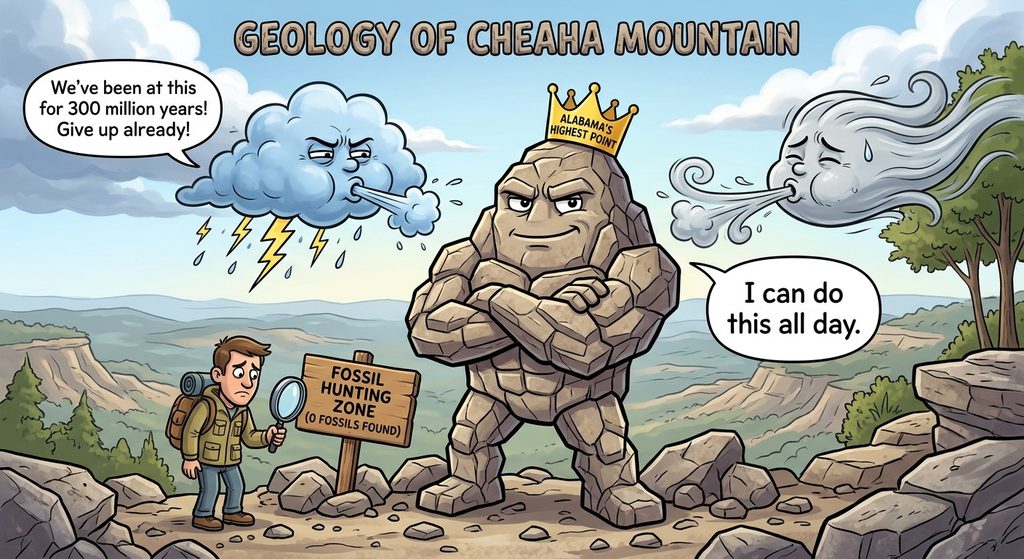
The summit of Cheaha Mountain is defined by an incredibly resilient and ancient rock formation that shapes its steep cliffs, jagged ridges, and long-range vistas.
(more…)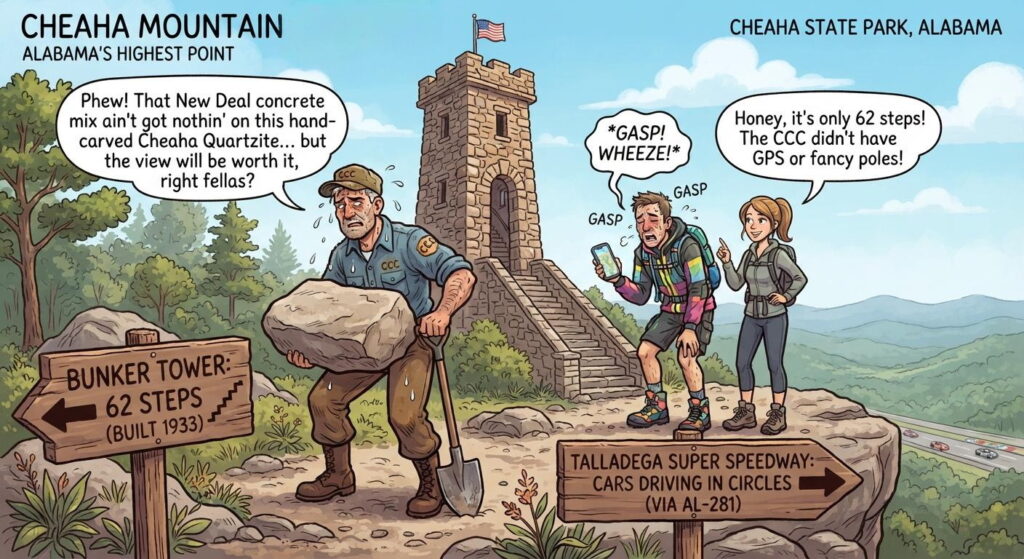
Cheaha Mountain is the highest natural point in Alabama, rising 2,407 feet above sea level. [1]
(more…)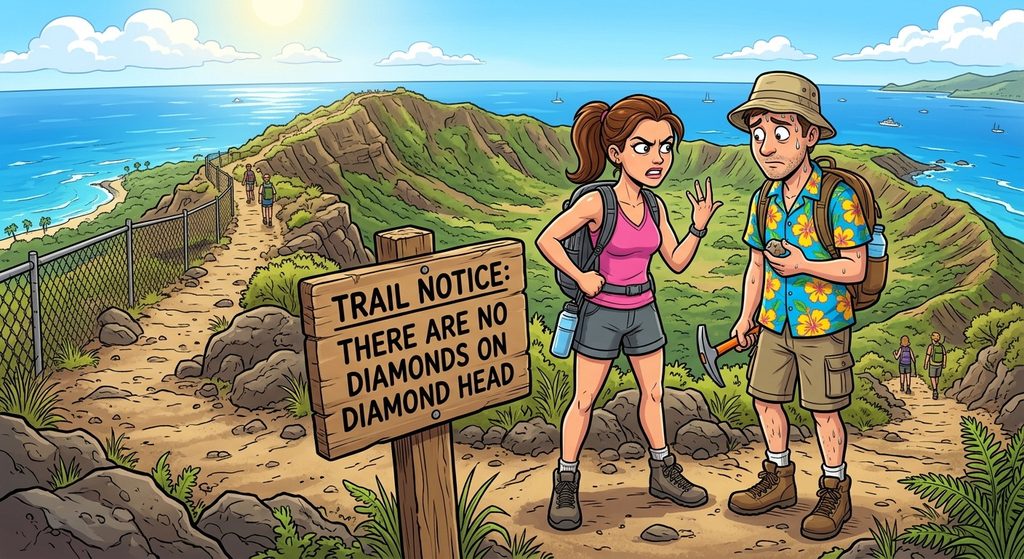
Since volcanic activity is central to the formation of diamonds, you would think Hawaii should be a Land of Diamond Paradise. But alas, the volcanic activity is the wrong kind for diamonds. There aren’t even any diamonds on Diamond Head.
(more…)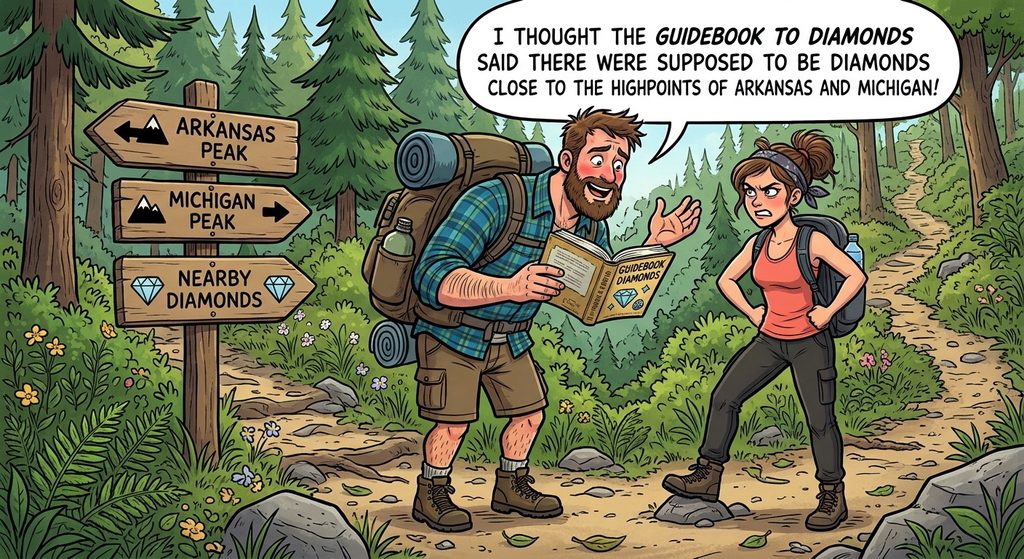
The geology of both Mount Magazine and Mount Arvon/Curwood includes nearby volcanic activity that has resulted in diamonds being found close to the highpoints (112 miles in Arkansas and 65 miles in Michigan)
(more…)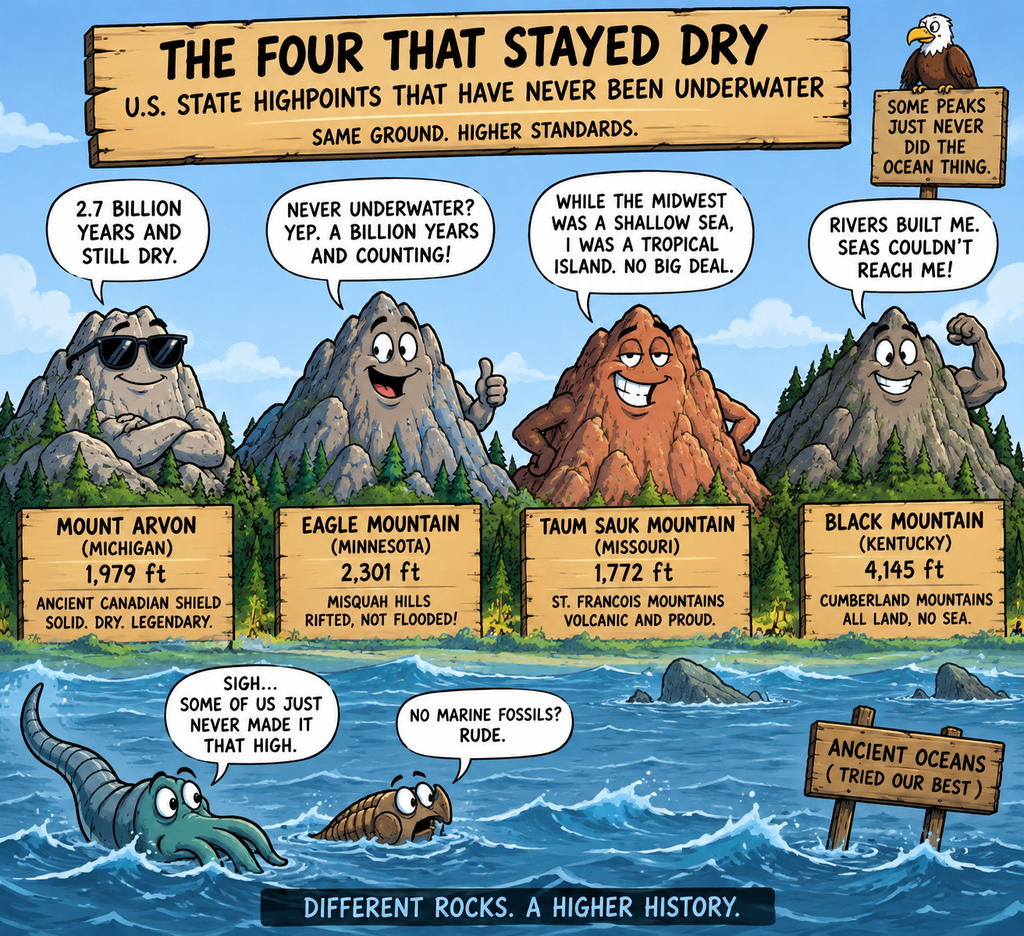
Per AI query, only four state highpoints have never been under a body of water. All the usual suspects, including Rainier, Whitney, Mitchell, Mount Washington (as well as Everest), have water fossils on their summits. There is the debate about Curwood being slightly higher in Michigan, but since they are very close, the same logic applies.
(more…)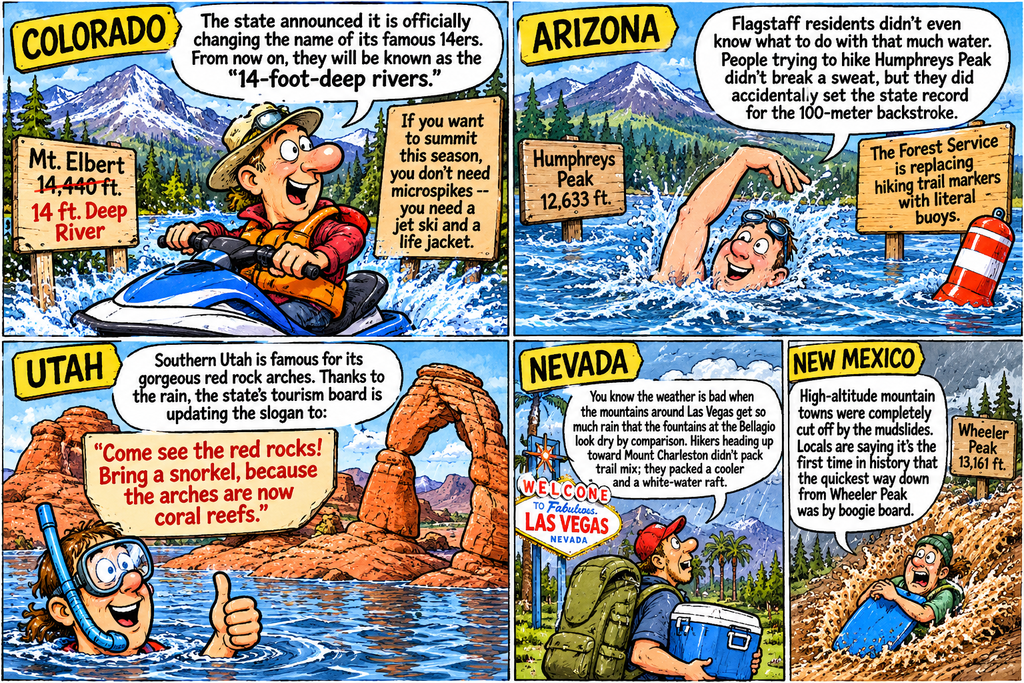
A historic onslaught of extreme autumn weather has fundamentally transformed the rugged landscapes surrounding the Southwest’s highest peaks, turning standard mountaineering objectives into high-stakes survival zones.
(more…)
The Everest: The First Ascent VR experience at Eclipso is an immersive, free-roam virtual reality journey that recreates the historic 1953 British Mount Everest expedition led by John Hunt, where Edmund Hillary and Tenzing Norgay (alongside their Sherpa team) became the first climbers to reach the summit.
(more…)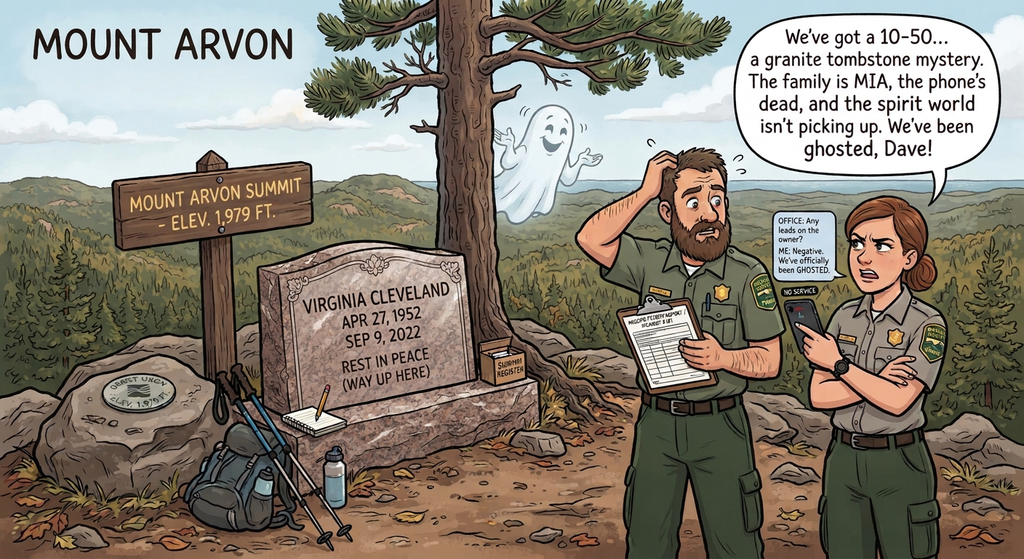
Authorities investigating how a granite grave marker on Mount Arvon wound up on the summit have reached a dead end, and they have been ghosted.
(more…)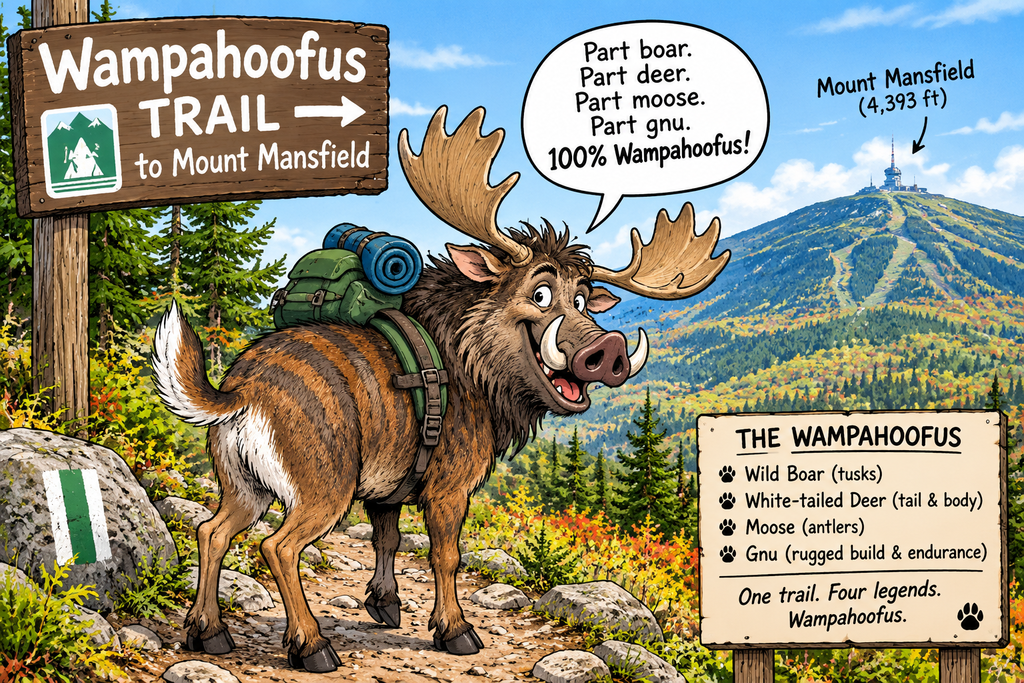
The story of the Wampahoofus is a classic piece of American “fearsome critter” folklore. It originated in the 19th-century logging camps of the Green Mountains, where lumberjacks spun wild camp stories to pass the long winter nights and prank unsuspecting newcomers. The tale has since become permanently tied to the rugged terrain of Mount Mansfield.
(more…)